

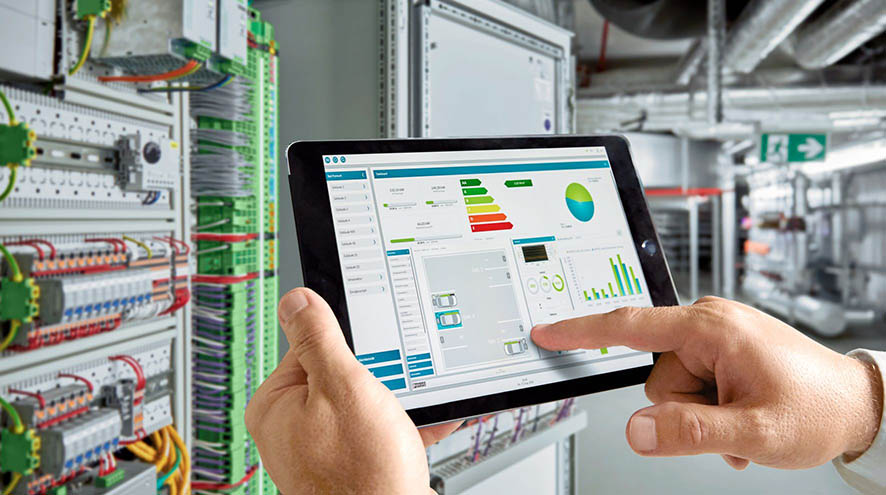
Building Automation: Revolutionizing Modern Infrastructure
The future of business operations lies in intelligent infrastructure and building automation and integration services are at the forefront of this transformation. Designed to enhance efficiency, sustainability, and safety, these solutions are increasingly becoming essential for B2B clients such as property managers, facility operators, and real estate developers. This article delves into the significance, benefits, and strategies for implementing building automation and integration services, positioning your business as a leader in the market.
Building automation refers to the use of technology to control and manage various systems within a building, including HVAC, lighting, security, and energy management. Integration services take this a step further by connecting these systems into a unified platform, enabling seamless communication and centralized control.
Key components include:
- HVAC Control: Automated heating, ventilation, and air conditioning systems for optimal indoor climate.
- Smart Lighting: Energy-efficient lighting systems that adjust based on occupancy and daylight.
- Security and Surveillance: Integrated access control, surveillance, and alarm systems.
- Energy Management: Real-time monitoring and optimization of energy consumption.
- IoT Integration: Connecting devices and sensors to enhance building intelligence.
These services are tailored for B2B clients, ensuring they meet the specific needs of commercial buildings, industrial facilities, and multi-property portfolios.
Need for Building Automation and Integration
The demand for smart buildings is growing, driven by the need for efficiency, sustainability, and enhanced user experiences. Here’s why building automation and integration services are indispensable for B2B clients:
- Operational Efficiency: Automated systems reduce manual intervention, streamline operations, and improve overall efficiency. Facility managers can monitor and control systems remotely, saving time and resources.
- Energy Savings: Energy-efficient systems lower utility costs and help businesses meet sustainability goals. Features like automated lighting and HVAC scheduling significantly reduce energy waste.
- Enhanced Security: Integrated security systems provide comprehensive protection, including real-time monitoring and incident response. Businesses can ensure the safety of occupants and assets.
- Scalability: Building automation systems are scalable, allowing businesses to expand and upgrade their infrastructure as needs evolve. This is particularly beneficial for multi-property operations.
- Data-Driven Insights: Automation systems generate valuable data on energy usage, occupancy patterns, and system performance. These insights enable informed decision-making and proactive maintenance.
Benefits of Building Automation and Integration Services
- Cost Reduction: Automated energy management and predictive maintenance reduce operational costs. Long-term savings far outweigh the initial investment.
- Improved Occupant Comfort: Smart systems ensure consistent indoor climate, lighting, and air quality, enhancing occupant satisfaction and productivity.
- Sustainability and Compliance: Meet environmental standards and certifications by implementing energy-efficient systems. Many governments also offer incentives for adopting green technologies.
- Centralized Management: A unified platform allows for seamless monitoring and control of multiple systems from a single interface, simplifying operations.
- Competitive Advantage: Smart buildings attract tenants and buyers, giving real estate developers and property managers a competitive edge in the market.
Building automation and integration services are transforming the way businesses manage their infrastructure. By enhancing efficiency, sustainability, and security, these solutions deliver unparalleled value to B2B clients. Whether it’s a commercial property, industrial facility, or residential complex, smart building systems offer a scalable and future-ready approach to operations.
As the demand for intelligent infrastructure grows, businesses offering building automation services have a unique opportunity to lead the market. By understanding client needs, providing comprehensive solutions, and leveraging innovative marketing strategies, your business can thrive in this competitive landscape. Contact us today to discover how our building automation and integration services can transform your operations.

Adam Jhon
Building automation is a game-changer for property managers and developers! The integration of systems like HVAC, lighting, and energy management is crucial for reducing costs and enhancing operational efficiency. Excited to see how this technology evolves!
Jusctin Dacon
I completely agree! The future of real estate relies on smart infrastructure. Automated systems not only save on energy but also improve security and comfort for occupants. It’s amazing to see how building automation is becoming a key part of the industry.
Jacklin July
The integration of IoT into building systems truly takes automation to the next level. This article highlights the immense potential of smart buildings for B2B clients. It's exciting to see how these innovations are transforming the industry!